
SEPT 2024: Big Chalk Conference – National Trust & RSPB
On a bright and breezy day in September 2024, delegates of the Big Chalk conference were hosted by the National Trust (Stonehenge Landscape) and the RSPB (Winterbourne Downs) for a special chalk grassland day as part of the tours on offer to attendees.
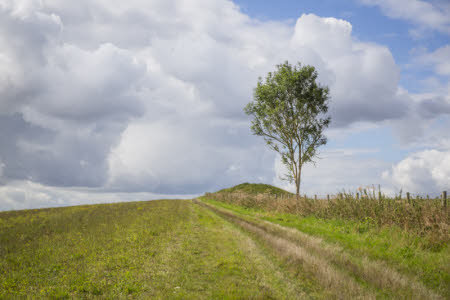
The tour was designed to highlight two examples of chalk grassland projects that are driving forward nature recovery. Both these projects are part of the work happening as part of the Wiltshire Chalk Partnership.
The visit to the Stonehenge Landscape started with Dr Nick Snashall, National Trust archaeologist for the Stonehenge and Avebury World Heritage Site who set the scene and outlined the significance of archaeology and the reasons behind the grassland reversion project.
Once out in the landscape National Trust rangers, project managers and nature conservation advisers then followed on with talks on the practicalities of arable reversion including the different possible methods, ongoing management, seed harvesting, hay cuts and soil sampling.
The groups were also taken on a tour of RPSB Winterbourne Downs with Patrick Cashman, Site Manager for Chalk Country Reserves at the RSPB.
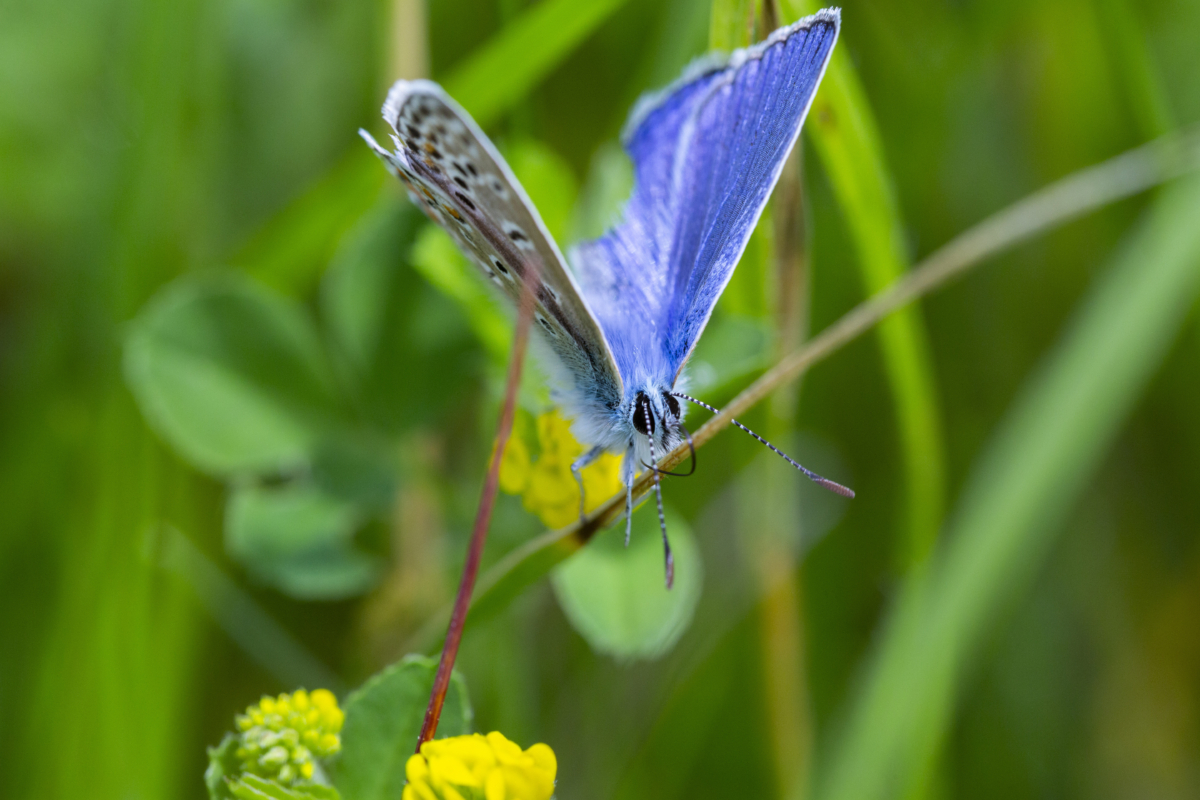
RSPB Winterbourne Downs is a strategically important site for downland biodiversity between Porton Down and Salisbury Plain, creating a link between these areas. Over 15 years significant progress has been made with over 200 hectares of species-rich chalk grassland established from former arable land. This has led to the expansion across the reserve of chalk specialist butterflies such as the Adonis Blue, Small Blue and Marsh Fritillary, up to 11 nesting pairs of Stone-curlew and 18 pairs of Lapwing.
Patrick has been overseeing a set of capital works on the reserve as part of the Chalk Species Revival Project which is funded by Defra’s Species Recovery Programme grant scheme. Here, Patrick updated the delegates on preparations needed to enhance 29 hectares of chalk grassland habitat for the Marsh Fritillary butterfly, including the creation of butterfly banks.
The works will also see more water made available across the fields for livestock, making it possible to graze with sheep and cattle. ‘Conservation grazing’ as it’s known, enables the right kind of vegetation structure to form which is suitable for scabious species. A defunct 230m stretch of fencing has also been replaced to ensure the cattle can’t escape.
We’re pleased to share our progress on these projects and would happily host other visits so please do get in touch.
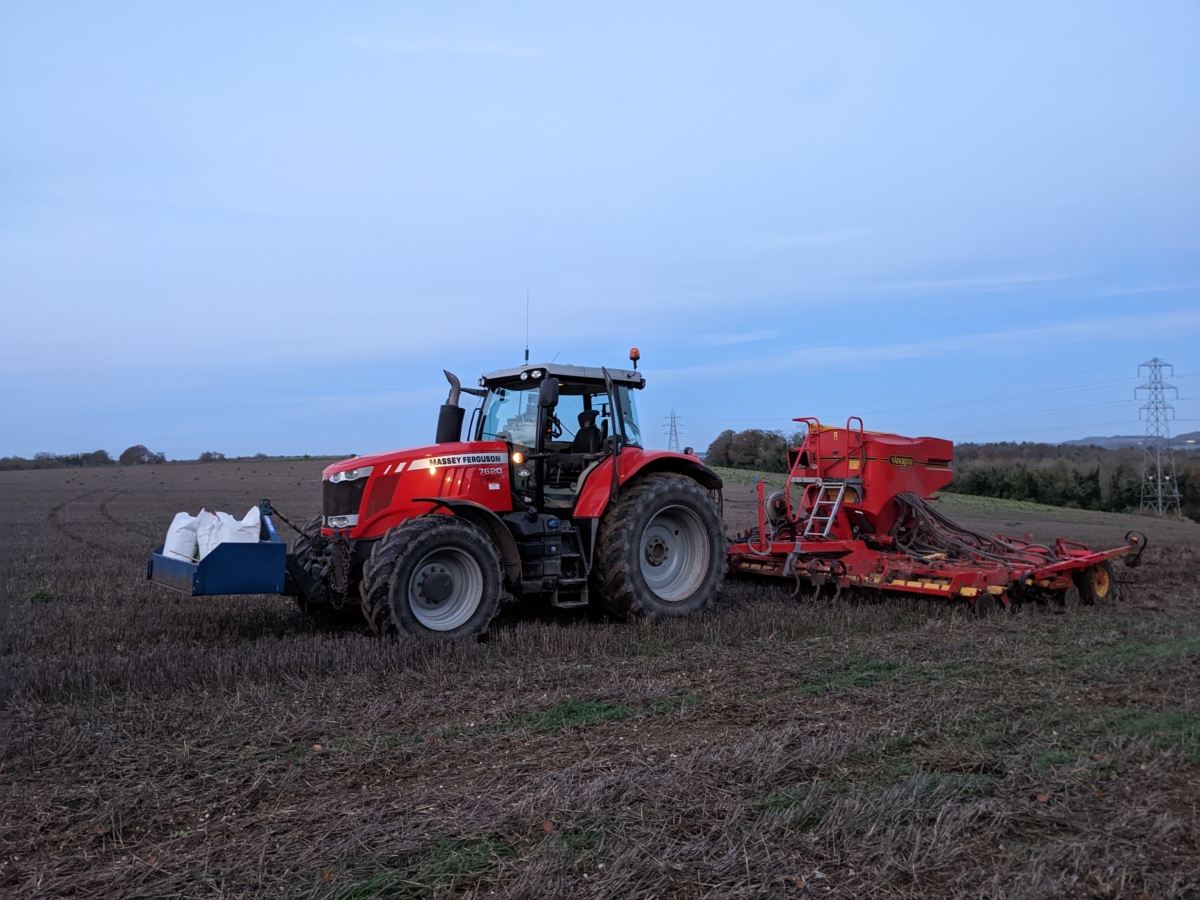
With thanks to everyone who helped make the day possible, including all the team at Big Chalk and our local farming contractors who were on hand to demonstrate the seed drill and answer some of the more technical questions!